
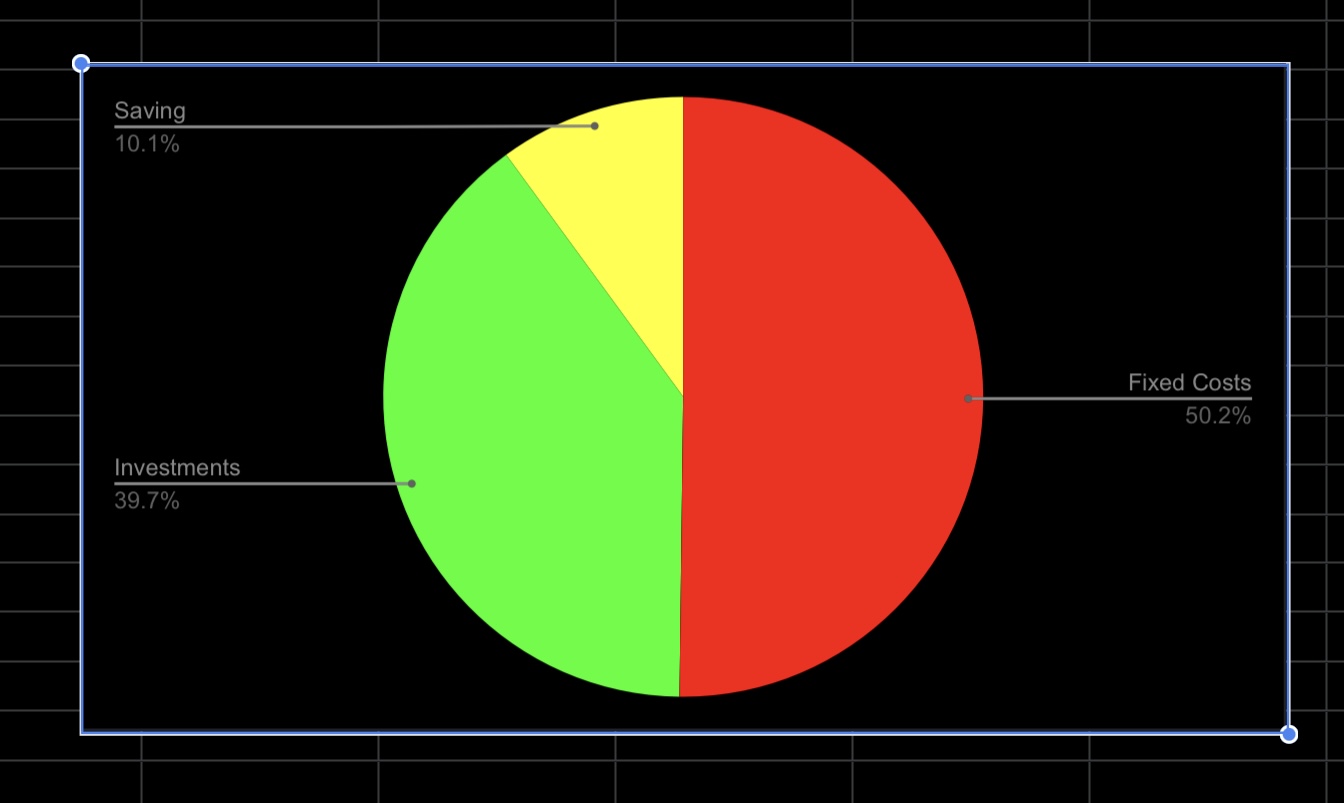
The 50/30/20 rule is a straightforward budgeting framework designed to help you manage your after-tax income by dividing it into three simple categories: Needs, Wants, and Savings/Debt Repayment. Here’s a detailed breakdown:
1. 50%: Needs (Essentials)
- What it covers: Expenses critical for survival and basic functioning.
- Examples:
- Rent/Mortgage payments
- Utilities (electricity, water, gas)
- Groceries (basic food, not dining out)
- Healthcare (insurance, essential medications)
- Minimum debt payments (e.g., car loan, student loan)
- Basic transportation (e.g., fuel, public transit)
- Key Rule: If missing this expense would severely disrupt your life, it’s a “Need.”
2. 30%: Wants (Lifestyle Choices)
- What it covers: Non-essential expenses that enhance your lifestyle.
- Examples:
- Dining out, takeout coffee
- Streaming services (Netflix, Spotify)
- Travel, hobbies, entertainment
- Luxury items (designer clothes, gadgets)
- Upgrades (e.g., a pricier apartment or car)
- Key Rule: If you can live without it, it’s a “Want.”
3. 20%: Savings & Debt Repayment
- What it covers: Building financial security and paying down debt.
- Examples:
- Emergency fund contributions
- Retirement savings (401(k), IRA)
- Investments (stocks, mutual funds)
- Extra debt payments (beyond minimums)
- Future goals (down payment, education fund)
Example Calculation
If your monthly take-home pay is $4,000:
- Needs (50%): $2,000
- Wants (30%): $1,200
- Savings/Debt (20%): $800
Pros & Cons
| Pros | Cons |
|---|---|
| but Simple to start | Rigid (may not fit high-cost areas) |
| Flexible for “Wants” | Oversimplifies “Needs” (e.g., groceries vs. dining) |
| Prioritaze savings | Doesn’t address high debt/income ratios |
Tips for Success
- Track expenses for 1–2 months to categorize realistically.
- Adjust ratios if needed (e.g., 60/20/20 in high-cost cities).
- Automate savings—direct-deposit 20% into a separate account.
- Review quarterly—life changes require budget tweaks!
Remember: The 50/30/20 rule is a guideline, not a law. Tailor it to your goals (e.g., aggressive debt payoff might mean 50/20/30 temporarily).
Alternatives to Explore
- 70/20/10: For those focusing on debt.
- Zero-Based Budgeting: Every dollar has a job.
- Envelope System: Cash-based spending control.
Start by analyzing your last 3 months of spending—does your current split align with 50/30/20? If not, identify leaks (often in “Wants”) and redirect funds to savings!