
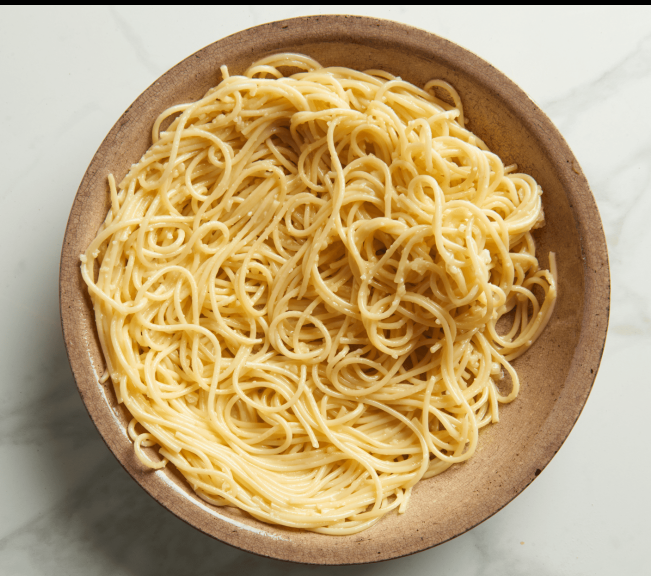
The preference for pasta al dente—Italian for “to the tooth,” meaning firm when bitten—is not just a culinary tradition. It is, in fact, a healthier way to prepare and consume pasta.
Here’s a detailed breakdown of why pasta al dente is go
- Lower Glycemic Index (GI) – The Biggest Benefit
This is the most significant health advantage of cooking pasta al dente.
· What is the Glycemic Index? The GI measures how quickly a carbohydrate-rich food raises your blood sugar levels. High-GI foods cause a rapid spike, followed by a crash, which can lead to increased hunger, weight gain, and over time, an increased risk of type 2 diabetes.
· How Al Dente Pasta is Different: When pasta is cooked al dente, the starch granules are hydrated but not completely burst and leached out. This makes the starch more resistant to the digestive enzymes in your gut.
· The Result: The carbohydrates in al dente pasta are digested and absorbed into the bloodstream much more slowly. This leads to a gradual, steady rise in blood sugar and insulin levels instead of a sharp spike. For people with diabetes, prediabetes, or those simply managing their weight, this is a major benefit.
Studies have confirmed this. Research published in journals like The Lancet and Diabetes Care has shown that pasta cooked al dente has a significantly lower glycemic response than pasta that is fully cooked and soft.
- Improved Satiety and Weight Management
The slower digestion caused by al dente pasta helps you feel full and satisfied for longer.
· No Sugar Crash: Avoiding the rapid blood sugar spike and subsequent crash prevents the sudden return of hunger pangs soon after eating.
· Sustained Energy: The slow release of glucose provides a steady stream of energy, preventing the need for snacking on unhealthy foods between meals.
· This enhanced feeling of fullness (satiety) can naturally lead to reduced calorie intake throughout the day, which is a cornerstone of sustainable weight management.
- Better Digestive Health: The Role of Resistant Starch
Undercooked starch is a form of resistant starch.
· What it is: Resistant starch acts more like dietary fiber than a carbohydrate. It “resists” digestion in the small intestine and travels to the large intestine (colon) intact.
· Prebiotic Effect: Once in the colon, it becomes food for the beneficial gut bacteria (your microbiome). These bacteria ferment it, producing short-chain fatty acids (SCFAs) like butyrate.
· Benefits of SCFAs: Butyrate is the primary fuel for the cells lining your colon, promoting a healthy gut lining, reducing inflammation, and potentially lowering the risk of colorectal cancer. A healthy microbiome is also linked to improved immunity and mental health.
While cooling cooked pasta creates even more resistant starch (think pasta salad), cooking it al dente is the first step to preserving it.
- Preservation of Nutrients
Overcooking any food can lead to the loss of water-soluble vitamins, such as certain B vitamins (like thiamine and folate), which are essential for energy metabolism and nervous system function.
· Cooking pasta al dente minimizes the time it spends in boiling water, reducing the amount of these valuable nutrients that leach out into the cooking water, which is usually discarded.
How to Achieve the Perfect Al Dente
- Use plenty of water: This allows the pasta to move freely and cook evenly.
- Salt the water generously: This is your only chance to season the pasta itself.
- Check the package time: Start tasting the pasta 1-2 minutes before the recommended cooking time on the package.
- Taste it! The pasta should be firm when bitten but not crunchy, with a tiny white dot of uncooked starch in the very center (though this isn’t always visible).
- Reserve pasta water: Before draining, save a cup of the starchy water. It’s great for finishing your sauce.
- Drain and sauce immediately: Pasta continues to cook from its own residual heat after draining. To stop this, add it directly to your waiting sauce. The sauce will coat it and halt the cooking process.
In conclusion, choosing to cook your pasta al dente is a simple, no-cost culinary technique that transforms a comforting bowl of carbs into a meal that supports stable energy, healthy blood sugar levels, a thriving gut microbiome, and better weight management. It’s a win for both your taste buds and your health.