
No, dogs cannot directly cause a stye in a human. This is not advice, contact your GP
However, there’s an important indirect connection to understand. Let’s break it down.
1. What Actually Causes a Stye?
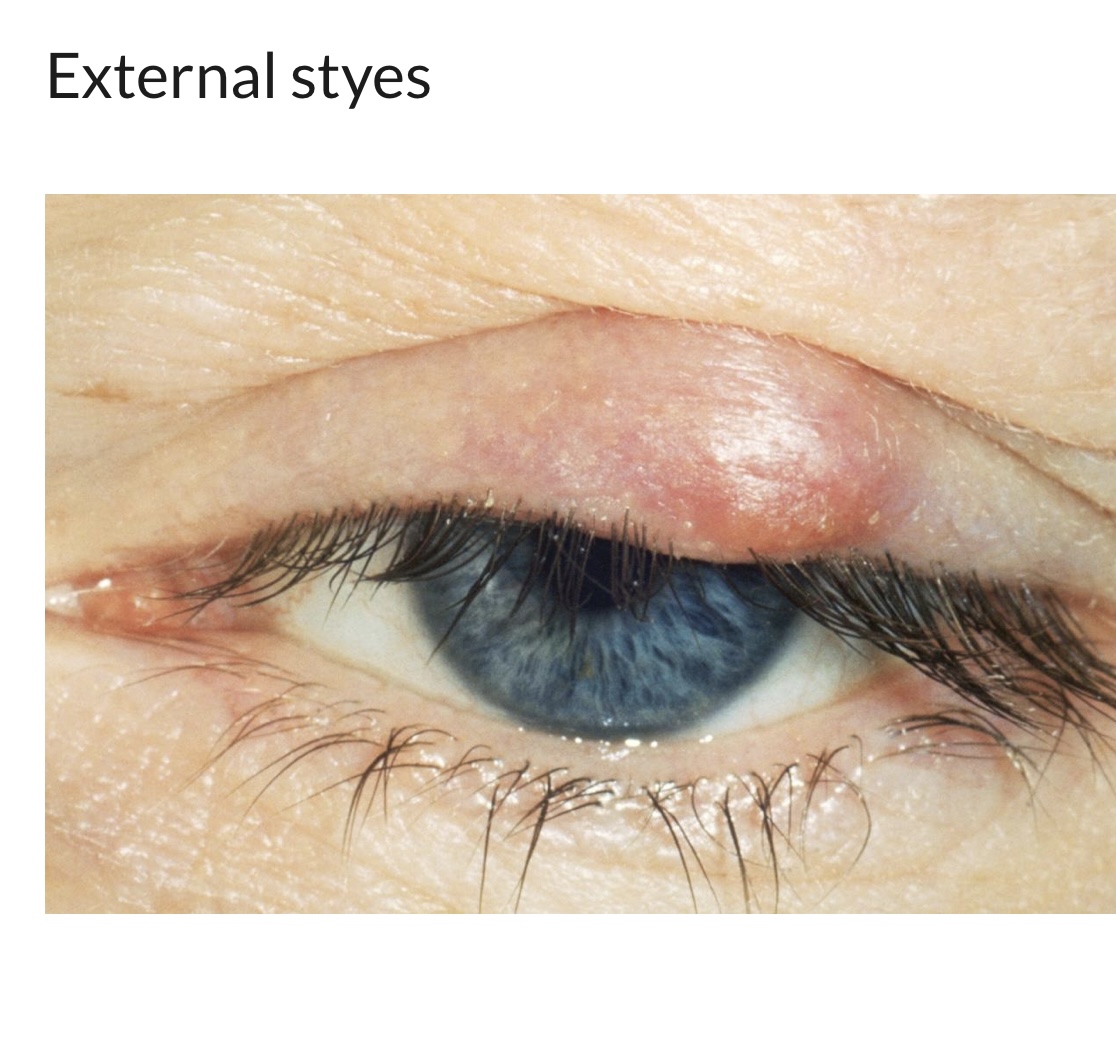
A stye (or hordeolum) is a small, painful lump on or inside the eyelid. It’s essentially a bacterial infection of an oil gland or eyelash follicle.
The bacterium responsible for the vast majority of styes is Staphylococcus aureus (Staph). This bacteria is extremely common and can be found on human skin and in the nose, even in perfectly healthy people.
2. The Indirect Role of Dogs
This is where dogs can play a part. While they can’t give you a stye directly, they can be a source or a vehicle for the bacteria that cause it.
· Bacteria Carriers: Dogs can carry Staphylococcus bacteria on their fur, skin, and saliva. One specific type, Staphylococcus intermedius, is commonly found in dogs and can sometimes be transmitted to humans.
· The Transmission Chain: The most common scenario would be:
1. Your dog has the bacteria on its fur (picked up from the environment, from licking itself, etc.).
2. You pet your dog, and the bacteria transfer to your hands.
3. You then touch your eye without washing your hands, introducing the bacteria to your eyelid gland.
Crucial Point: The bacteria itself is the cause, but the dog was the vector that helped transfer it to your eye. You could just as easily pick up the bacteria from a doorknob, your phone, or by touching your own face.
3. Other Pet-Related Eye Irritations
Sometimes, what might be mistaken for a stye could be another issue that a dog can more directly cause:
· Allergic Conjunctivitis: If you are allergic to dog dander, the irritation from rubbing your itchy eyes can make you more susceptible to developing a stye.
· Physical Irritation: A dog’s hair or a piece of dirt from their fur can get into your eye and physically block an oil gland, which can then become infected and turn into a stye.
· Scratches: A scratch from a dog (even an accidental one) can break the skin and allow bacteria to enter, potentially leading to an infection that resembles a stye.
How to Minimize the Risk
The solution isn’t to avoid your dog, but to practice good hygiene:
1. Wash Your Hands Frequently: This is the #1 rule. Always wash your hands with soap and water after playing with your dog, petting them, or handling their toys/bedding.
2. Avoid Touching Your Eyes: Try to keep your hands away from your face and eyes, especially before washing them.
3. Keep Your Pet Clean: Regular grooming and bathing for your dog can help reduce the amount of dirt and bacteria on their coat.
4. Don’t Let Your Dog Lick Your Face: Especially near your eyes or mouth.
In summary: Your dog is not a direct source of styes. The bacteria that cause styes are everywhere. However, because dogs can carry these bacteria, practicing good hand hygiene after interacting with your pet is the best way to break the chain of transmission and protect your eye health.